(010) 303-300

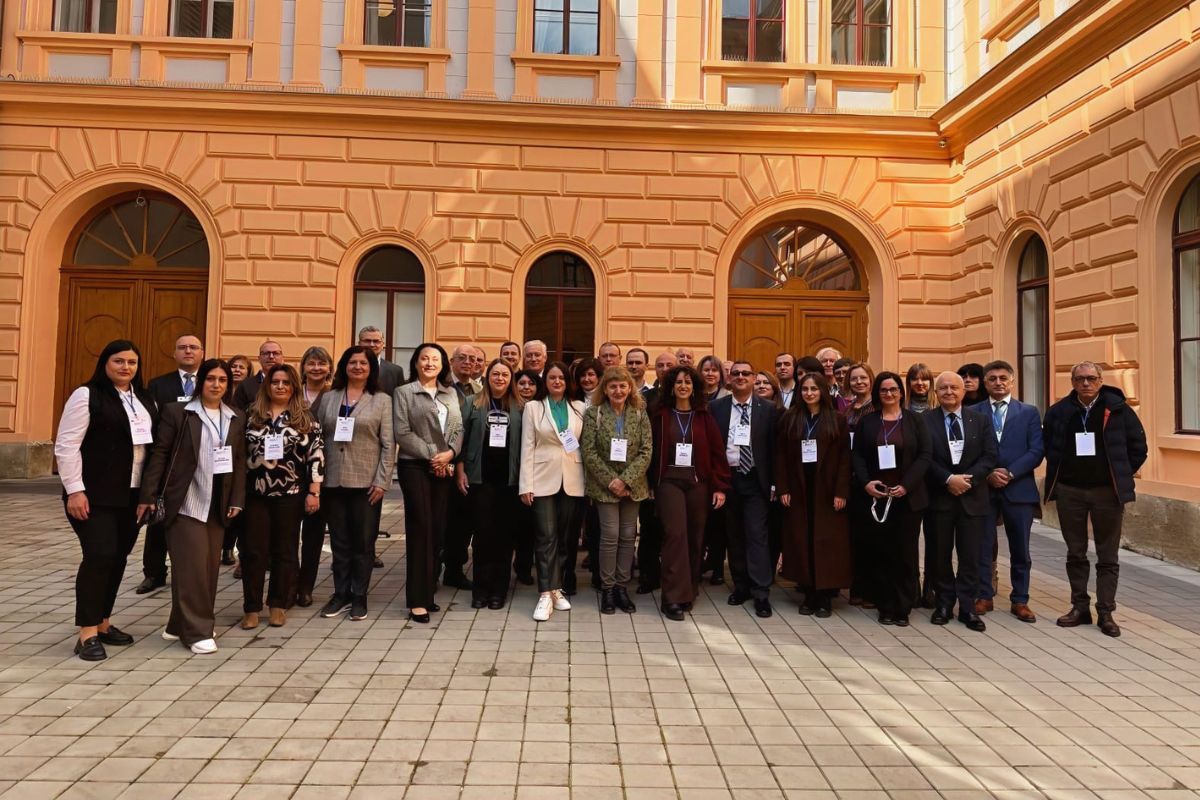
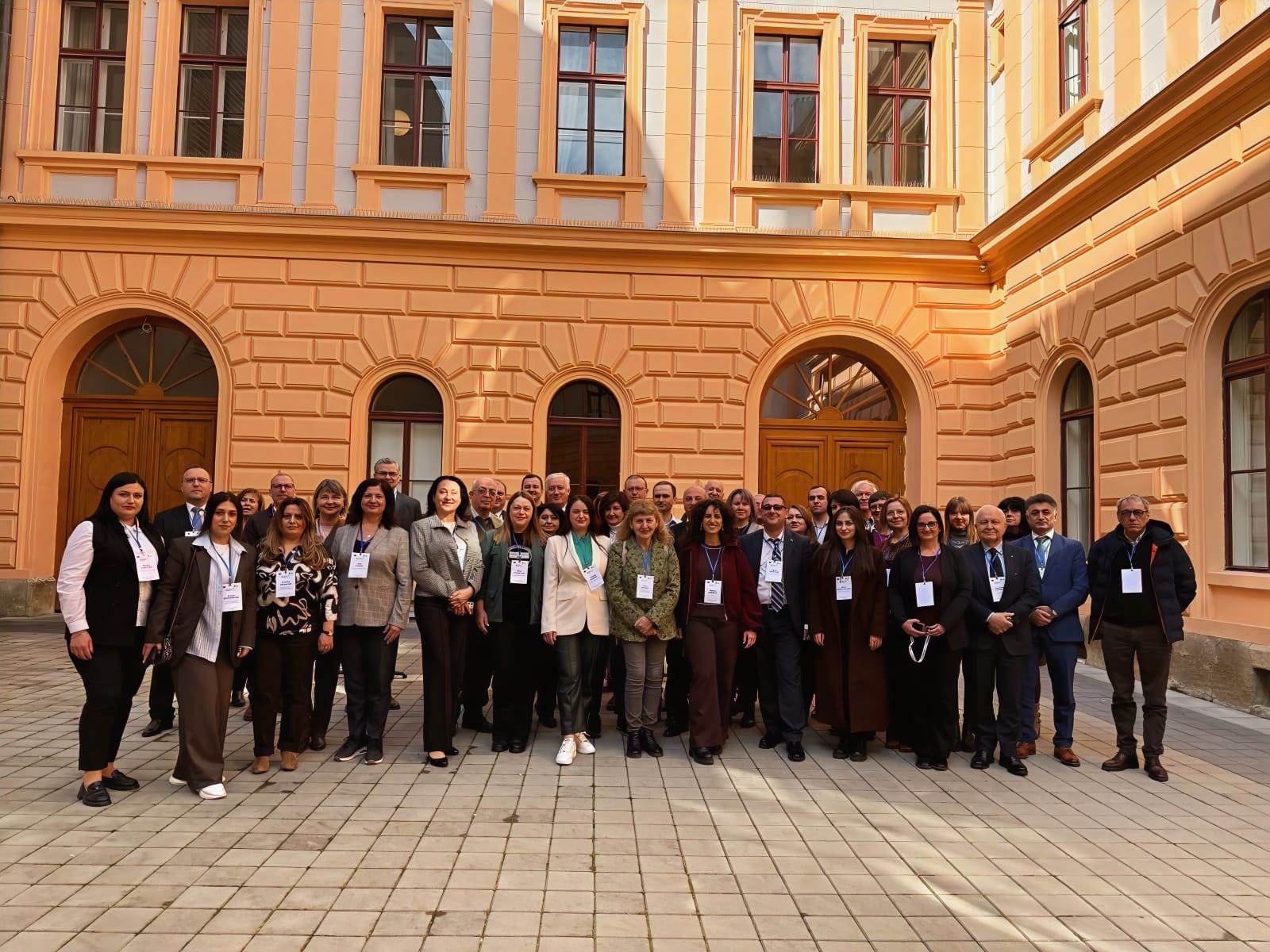
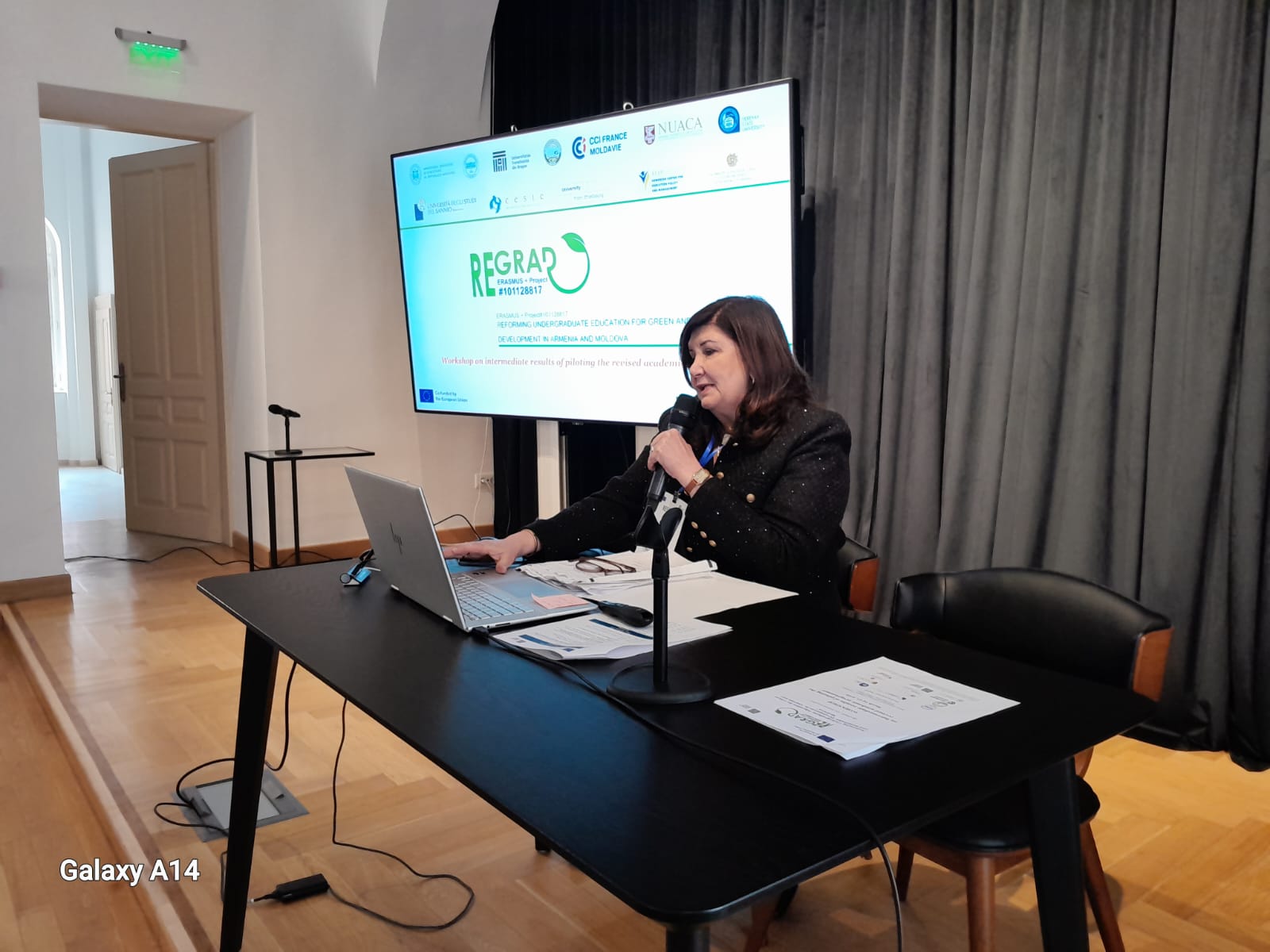
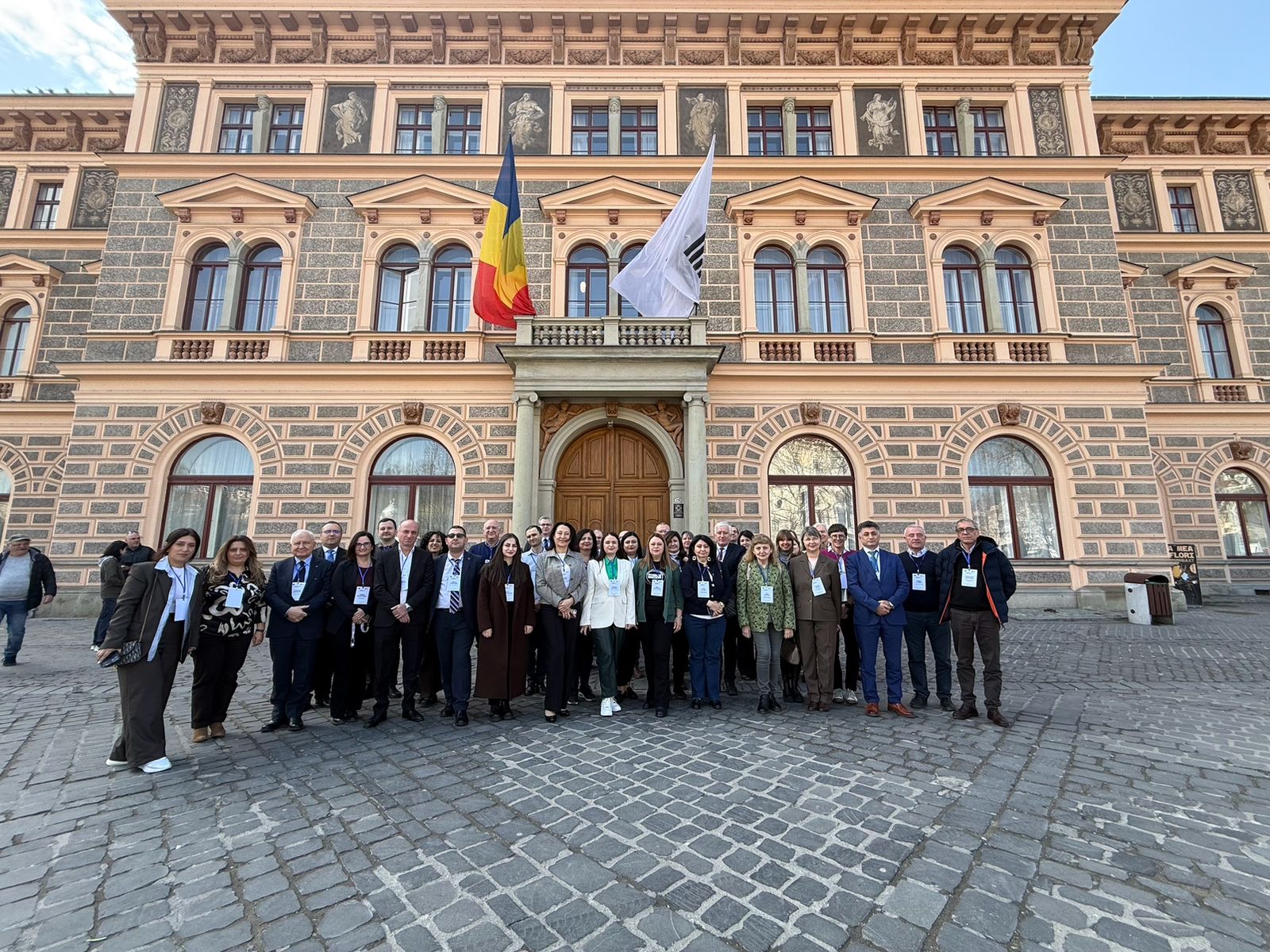
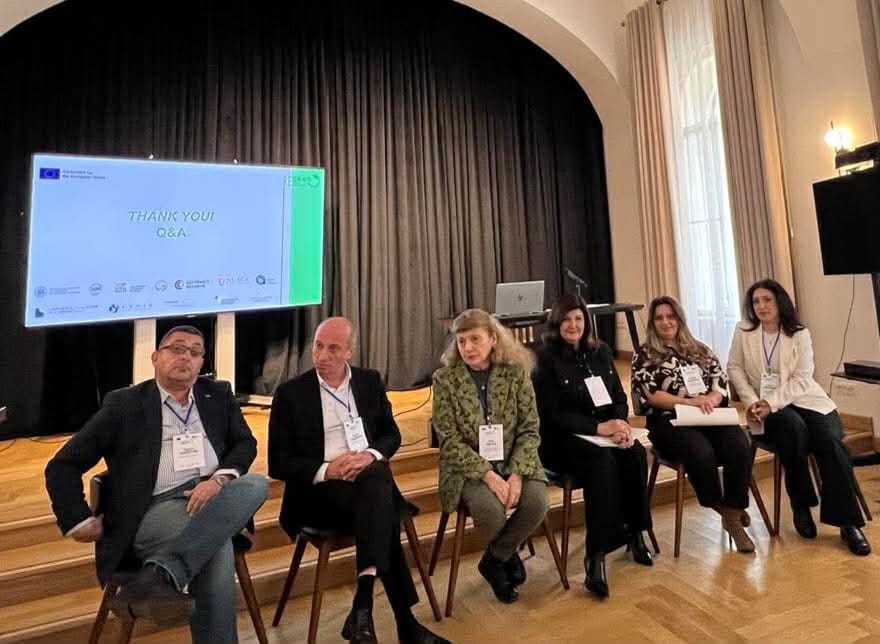
The keynote workshop of the Erasmus+ KA2 “Reforming Undergraduate Education for Green and Sustainable Development in Armenia and Moldova” (RE-GRAD) project was held at Transylvania University of Brasov, Romania, bringing together international partners on one platform.
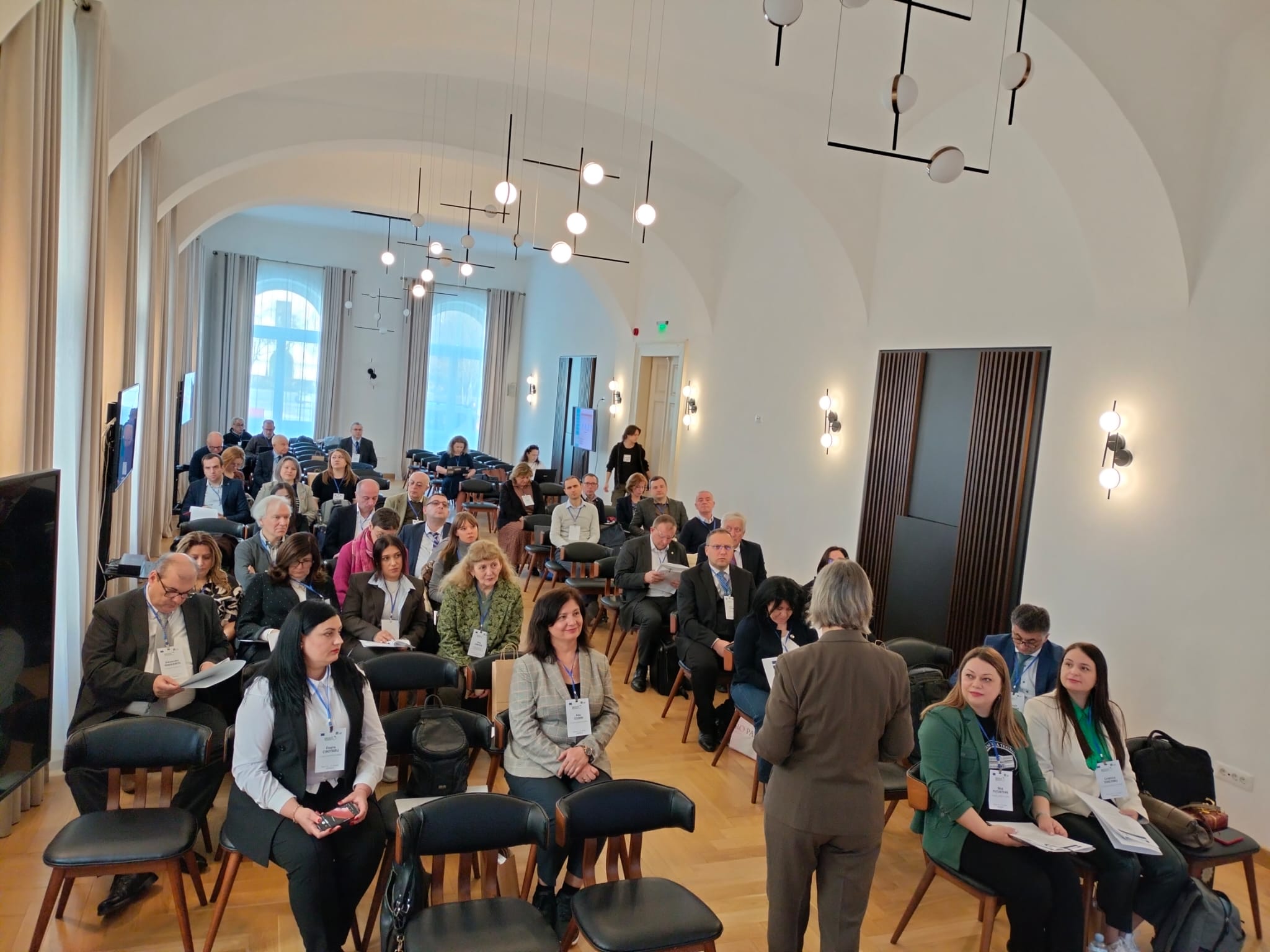
The main aim of the workshop was to assess the interim results of the piloting of a revised academic programme developed to introduce green technologies and sustainable development principles into the higher education curricula of Armenia and Moldova. The workshop became a platform for effective academic cooperation, providing an opportunity for participants to present their experiences, discuss methodological challenges and pedagogical innovations.
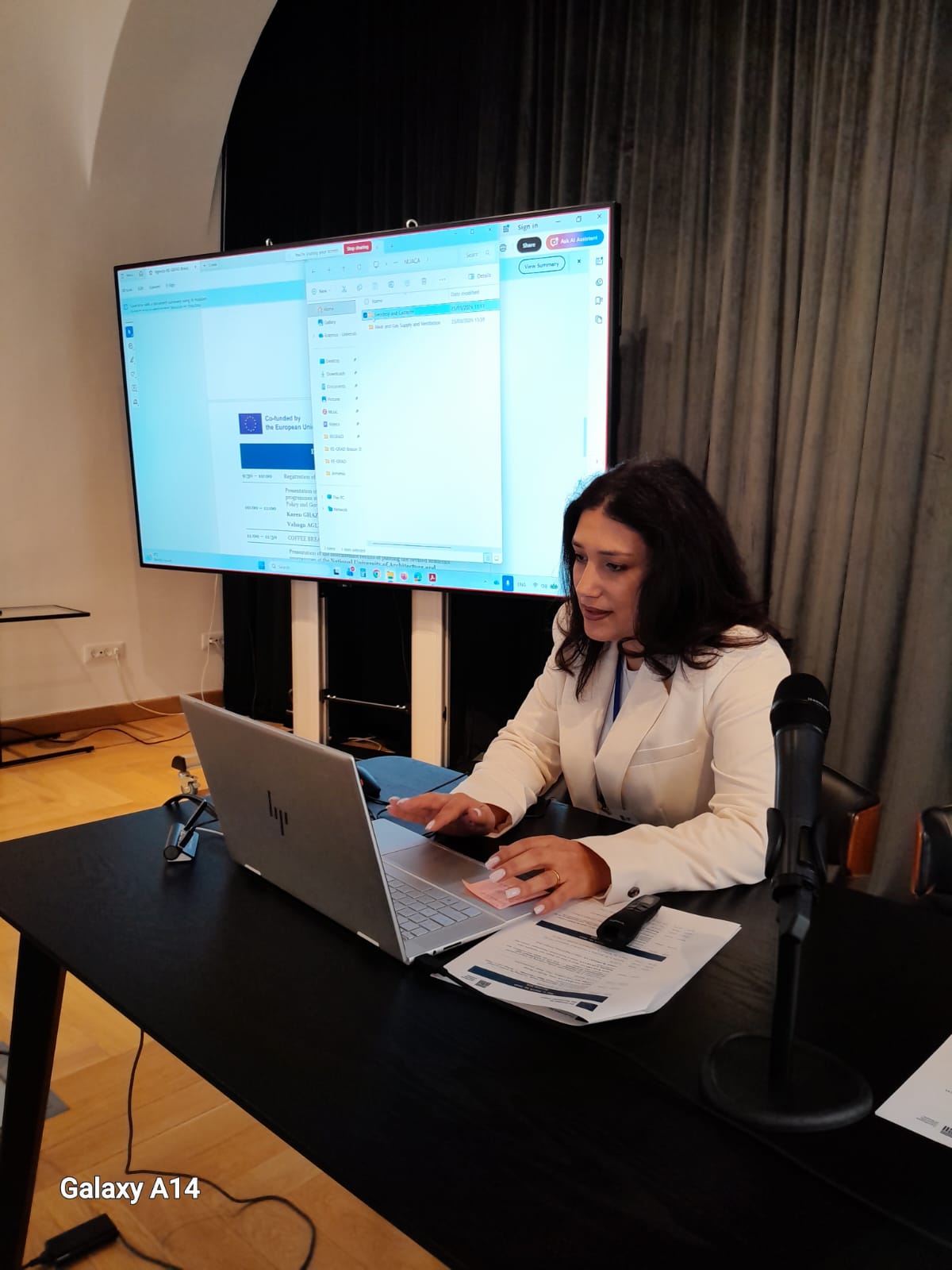
At the opening of the workshop, project coordinator Nina Putuntean presented the current stage of the project, highlighting the progress achieved and outlining future steps. Throughout the day, roundtable discussions focused on the principles and methodologies of curriculum revision in the partner countries.
Head of NUACA Quality Assurance Department Irina Vanyan actively participated in the discussions. She presented the process of programme revision, identified existing challenges and opportunities, and showcased a video created using artificial intelligence tools.
At the end of the day, partners from Moldova presented the results of pilot programmes in the fields of mechanical engineering and food technology
On the following day, the focus shifted to the concrete academic outcomes achieved by Armenian partner institutions. NUACA staff presented the interim results of piloting revised academic programmes, which are of crucial importance for the country’s infrastructure and environmental management.
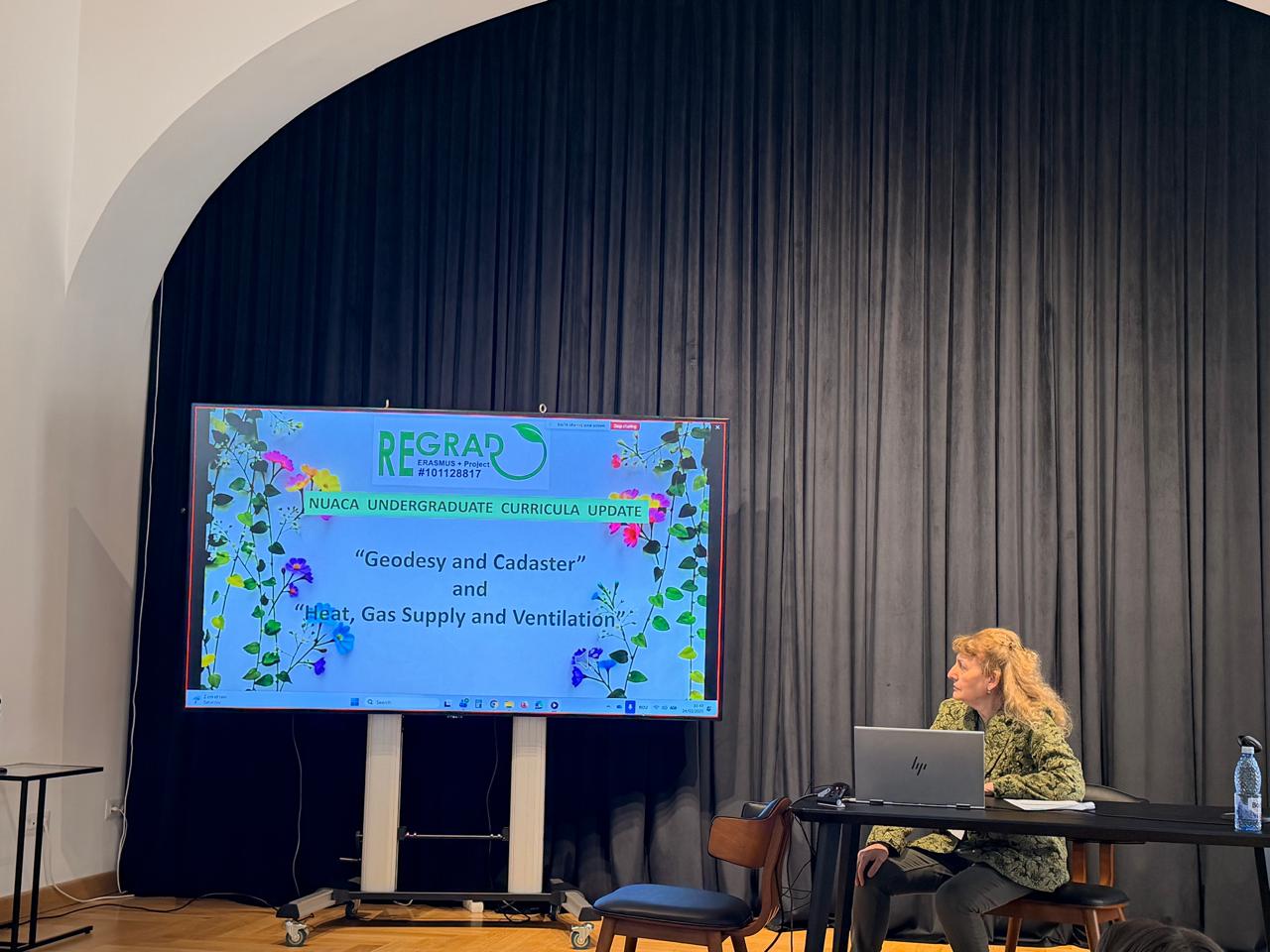
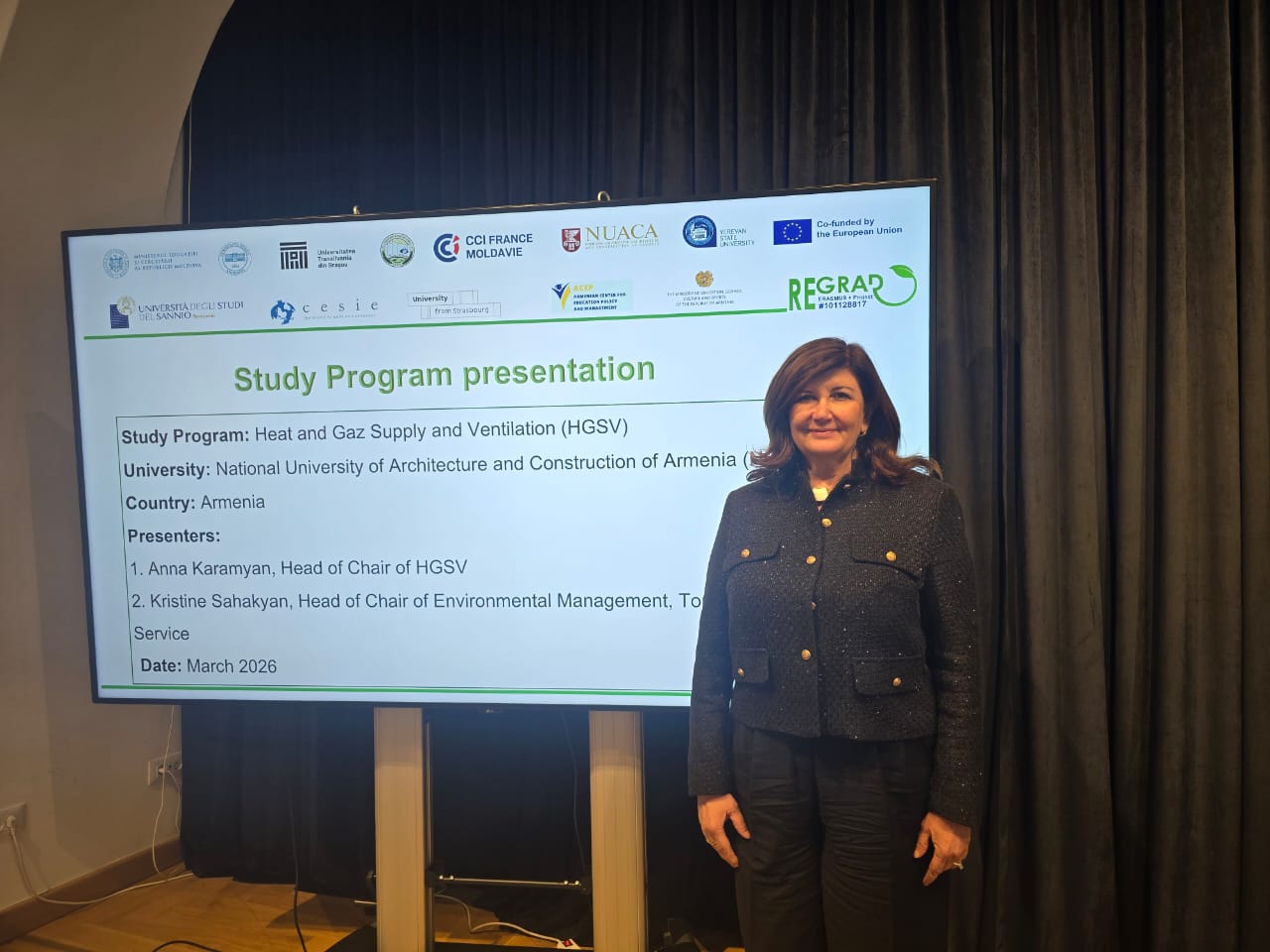
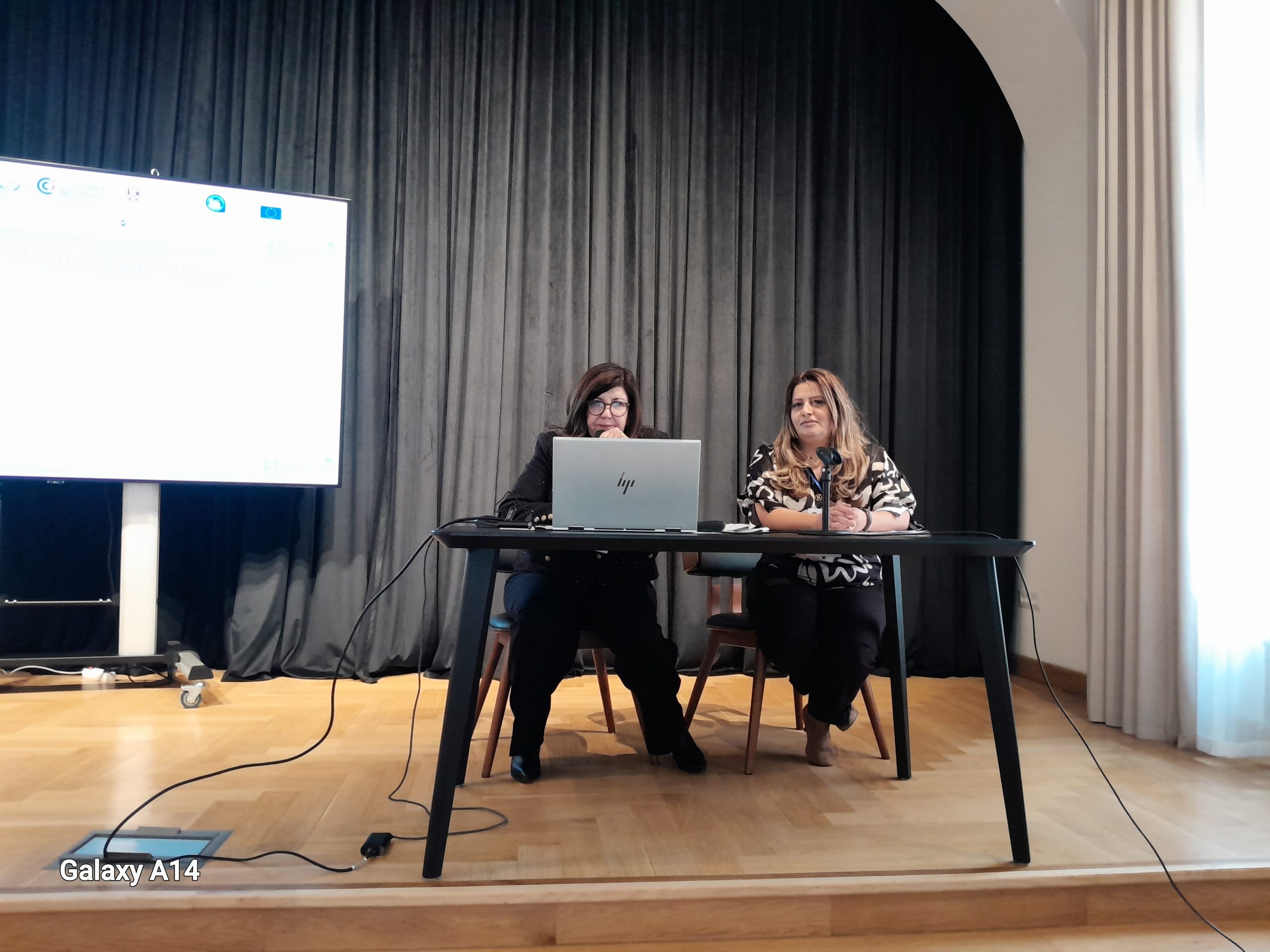
Head of the Chair of Heat and Gas Supply and Ventilation Anna Karamyan, and Head of the Chair of Environmental Management, Tourism and Service Kristine Sahakyan elaborated on the progress of the “Heat and Gas Supply and Ventilation” academic programme. Meanwhile, Head of the Chair of Engineering Geodesy Anush Margaryan presented the results achieved within the “Geodesy and Cadastre” curriculum.
The presented work demonstrated NUACA’s consistent efforts toward modernizing technical education and aligning it with contemporary sustainable development requirements.
At the end of the workshop, participants reflected on their visit to the UNITBV Research and Development Institute, which provided them with the opportunity to familiarize themselves with leading European research infrastructures and gain valuable practical experience.
The event once again highlighted the importance of international academic cooperation and the key role of the RE-GRAD project in fostering a sustainable and innovative academic environment in the region.