(010) 303-300

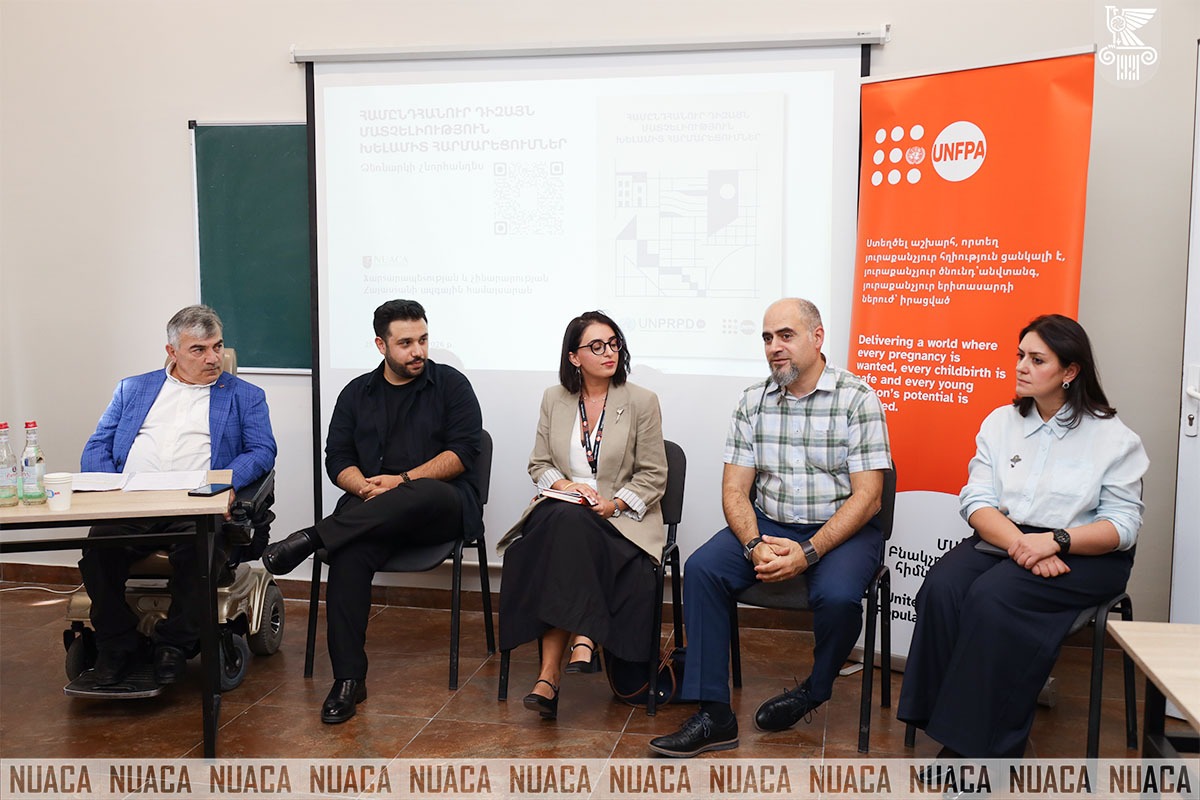
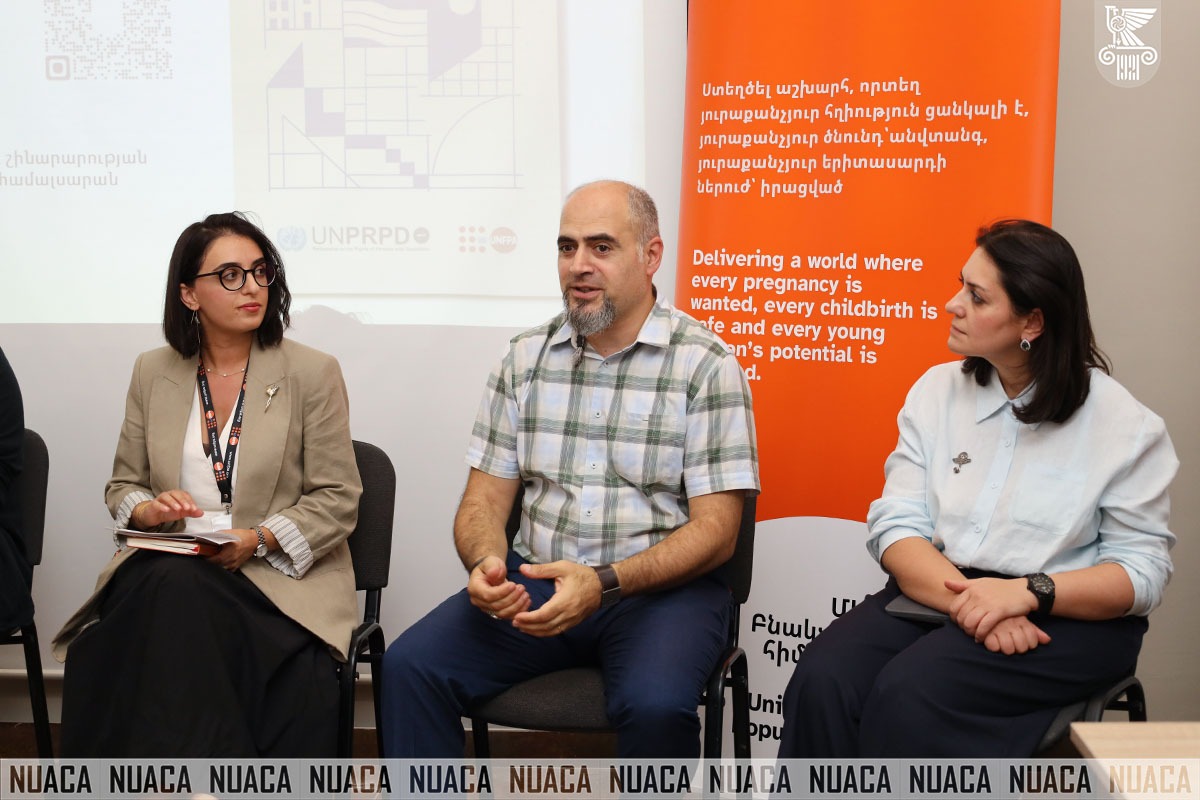
The official launch of the manual “Universal Design, Accessibility, and Reasonable Accommodations” initiated by the United Nations Population Fund (UNFPA) Armenia office recently took place at National University of Architecture and Construction of Armenia.
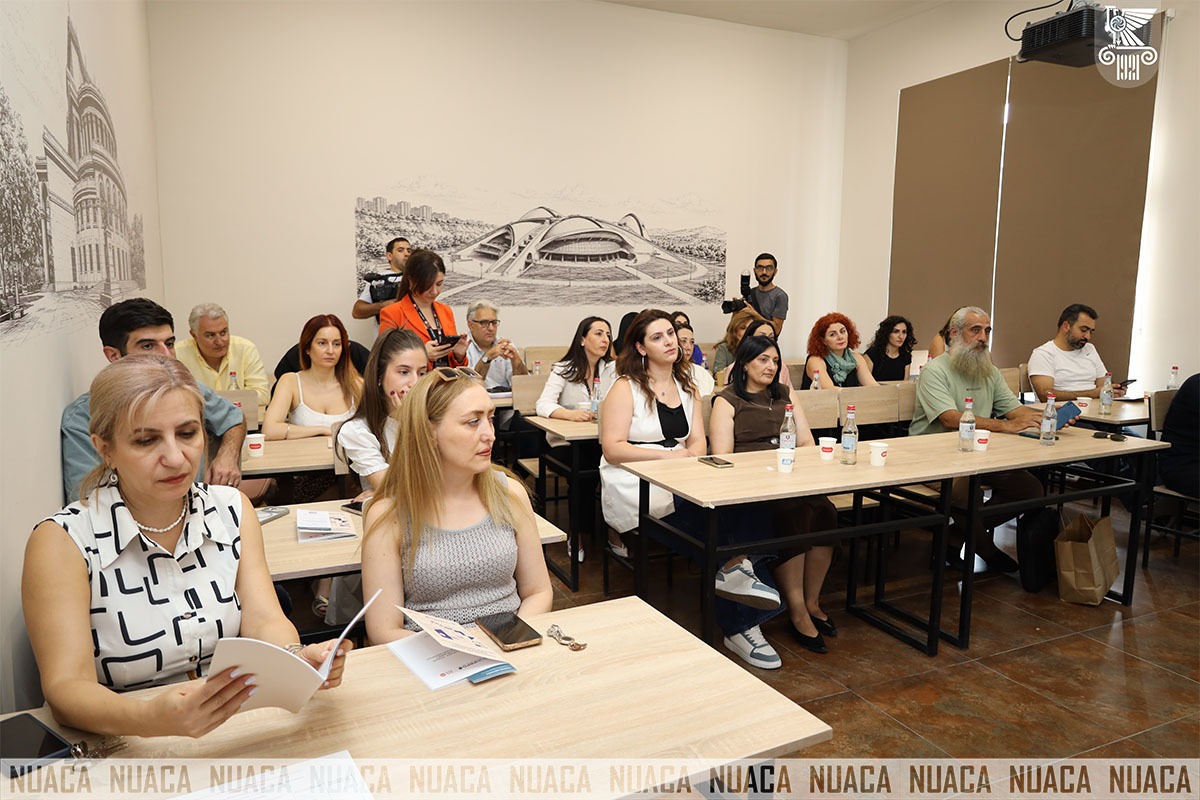
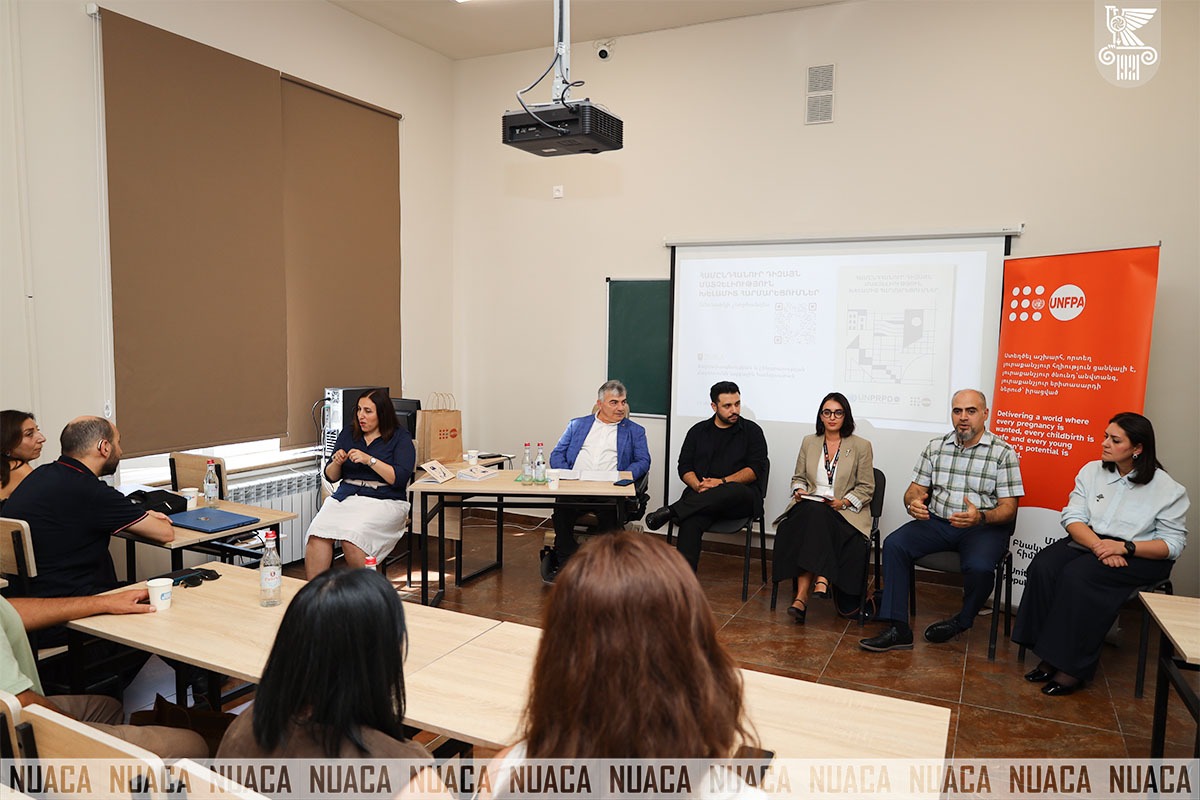
The event brought together representatives from state institutions, international organizations, civil society, the architectural community, and students to discuss the importance of creating environments that are accessible, inclusive, and tailored to everyone’s needs.
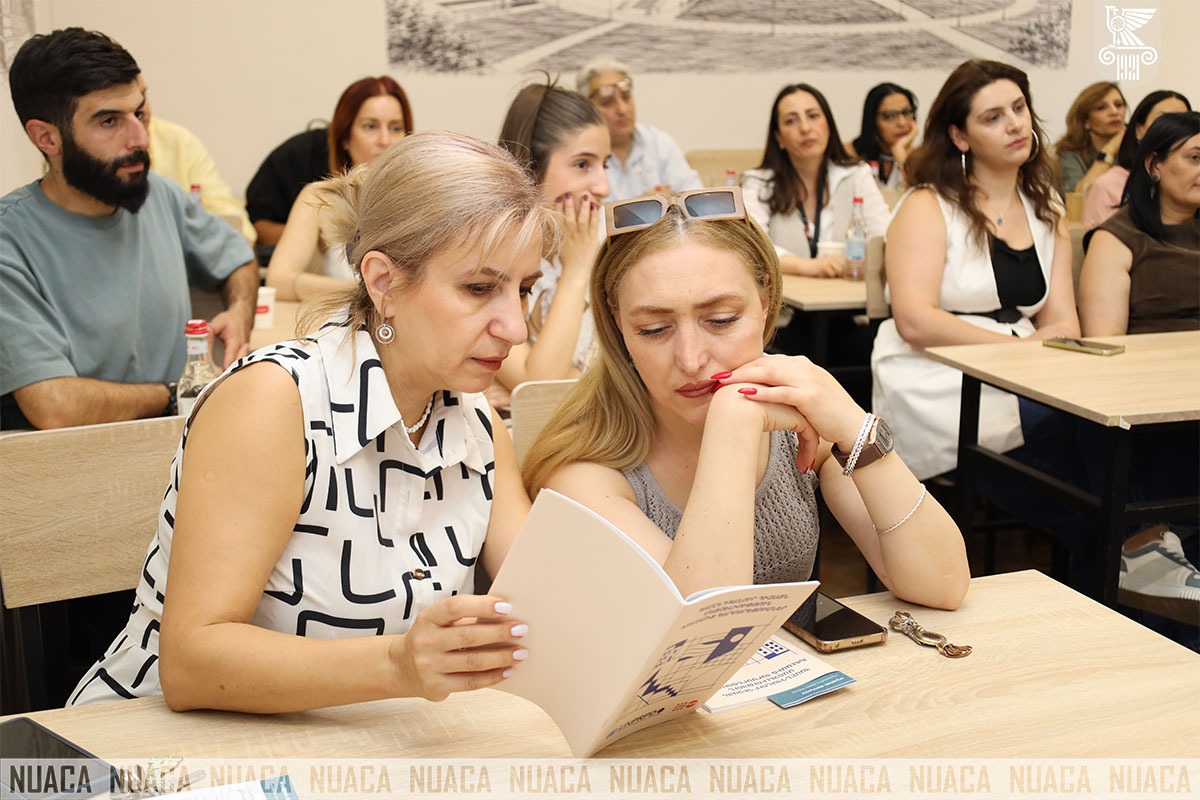
The manual is envisaged as a practical guide for architects, builders, local government bodies, and other specialists in the field involved in the planning, design, and improvement of various environments.
Head of the UNFPA Armenia Office Lusine Sargsyan delivered a welcoming speech at the event.
She emphasized that environments should be designed from the outset with the diverse needs of people in mind, rather than being created and subsequently adapted for specific groups.
“This manual can serve as an important tool for disseminating knowledge, developing professional capacities, and, ultimately, putting legislative requirements into practice in a real-world setting,” noted Lusine Sargsyan.
Acting Dean of the University’s Faculty of Architecture Armen Shatvoryan attached importance to incorporating universal design principles into the professional education process and noted that fostering this ideology among future architects should begin during their studies.
The development of the manual was preceded by a pilot course conducted at NUACA, in which approximately 150 fourth-year students participated. The experience gained and the educational materials developed during the course served as the basis for creating the manual.
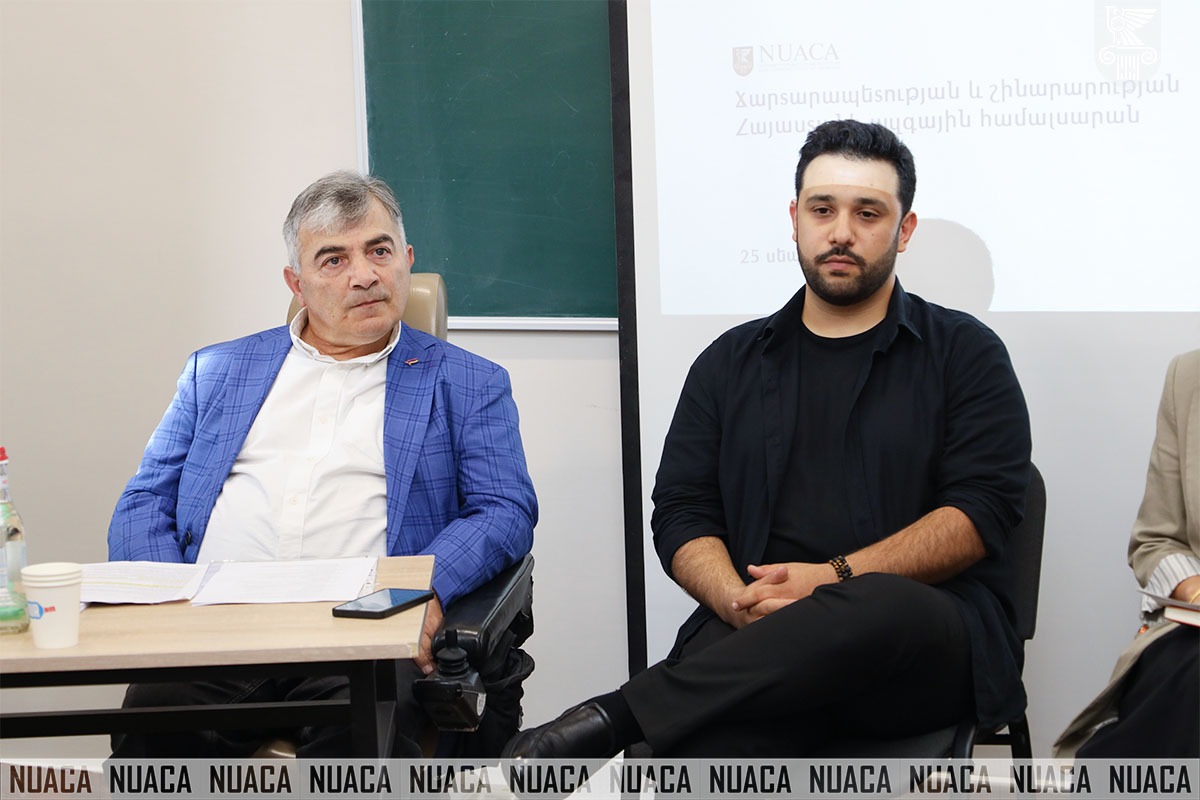
The co-authors of the manualSuren Maghakyan and Narek Minasyan, presented its main content and potential applications. The manual outlines the fundamental approaches to universal design, relevant standards, and examples of possible solutions that can be implemented at various stages of the design process.
At the end of the event, copies of the manual were donated to NUACA Library to be available to university students, professors, and industry specialists.
The manual is available at the following link: https://unf.pa/4hfk0g8: